
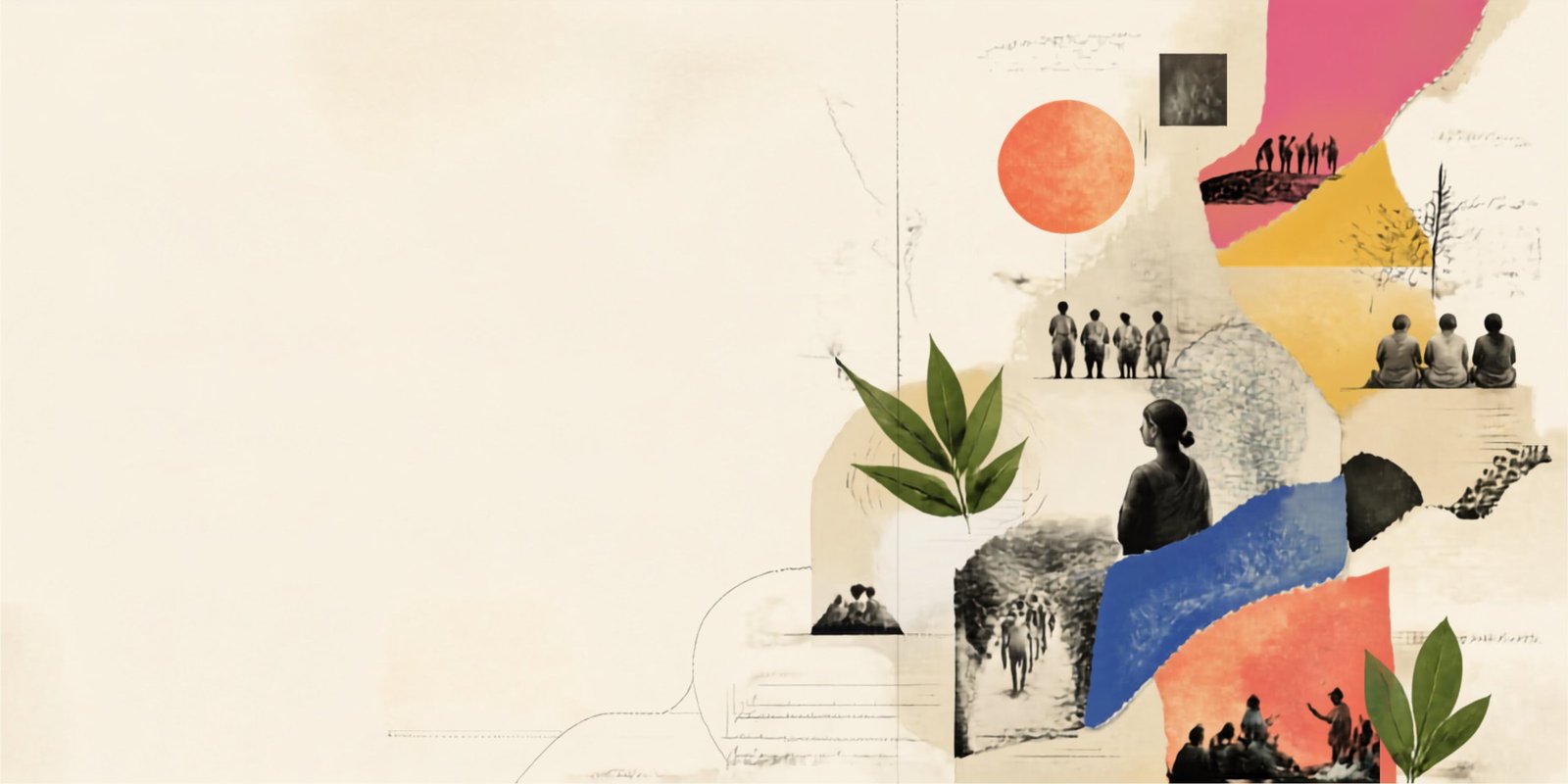
Margin as Method
The margin is not merely a place.
It is a way of seeing.
Margin as Method is an evolving framework for recognising lived experience as a source of knowledge, capacity and leadership.
Margin as Method
The margin is not merely a place.
It is a way of seeing2.
Margin as Method is an evolving framework for recognising lived experience as a source of knowledge, capacity and leadership.
01
Reversing the gaze
Development usually begins with what is missing.
This begins with what is already there.
The usual starting point
People are read for what they lack
- Deficits to be filled
- Needs to be assessed
- Beneficiaries to be trained
- People to be empowered
Where Margin as Method begins
People are read for what they already hold
- Knowledge already held
- Survival intelligence
- Relationships and care
- Capacities built while navigating exclusion
What is Margin as Method?
People living at the margins are not blank slates waiting to be trained or empowered.
A recurring methodological insight across two decades of field practice
Margin as Method is an asset-based and identity-positive approach to leadership and social change. It treats lived experience not merely as personal testimony, but as a legitimate source of knowledge from which individuals, communities and institutions can learn.
The framework seeks to surface this situated knowledge, create spaces for reflection and healing, build solidarity across identities, and translate learning into collective and institutional action.
02
The methodological pathway
Five interconnected
processes
Smriti
Memory
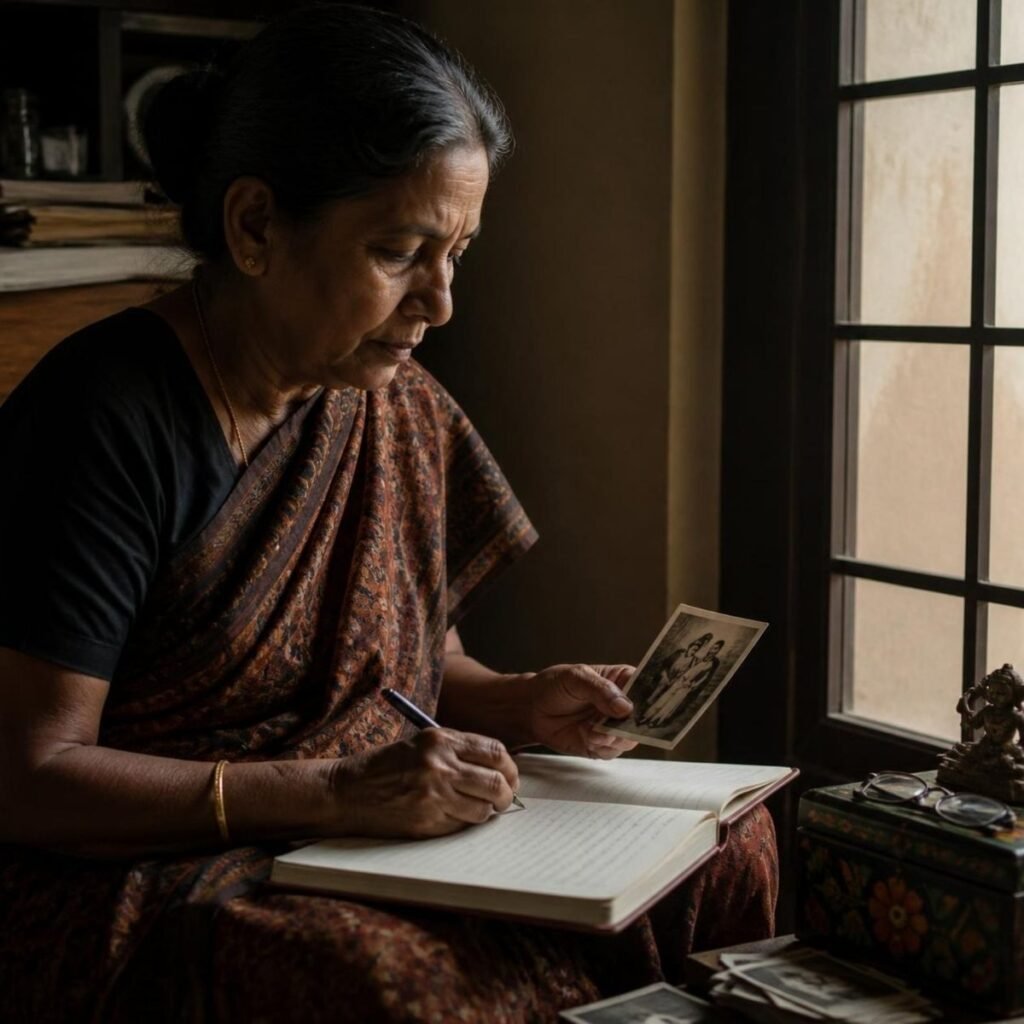
Revisiting lived experiences and recognising how identity, exclusion and social location have shaped them.
Shruti
Sharing
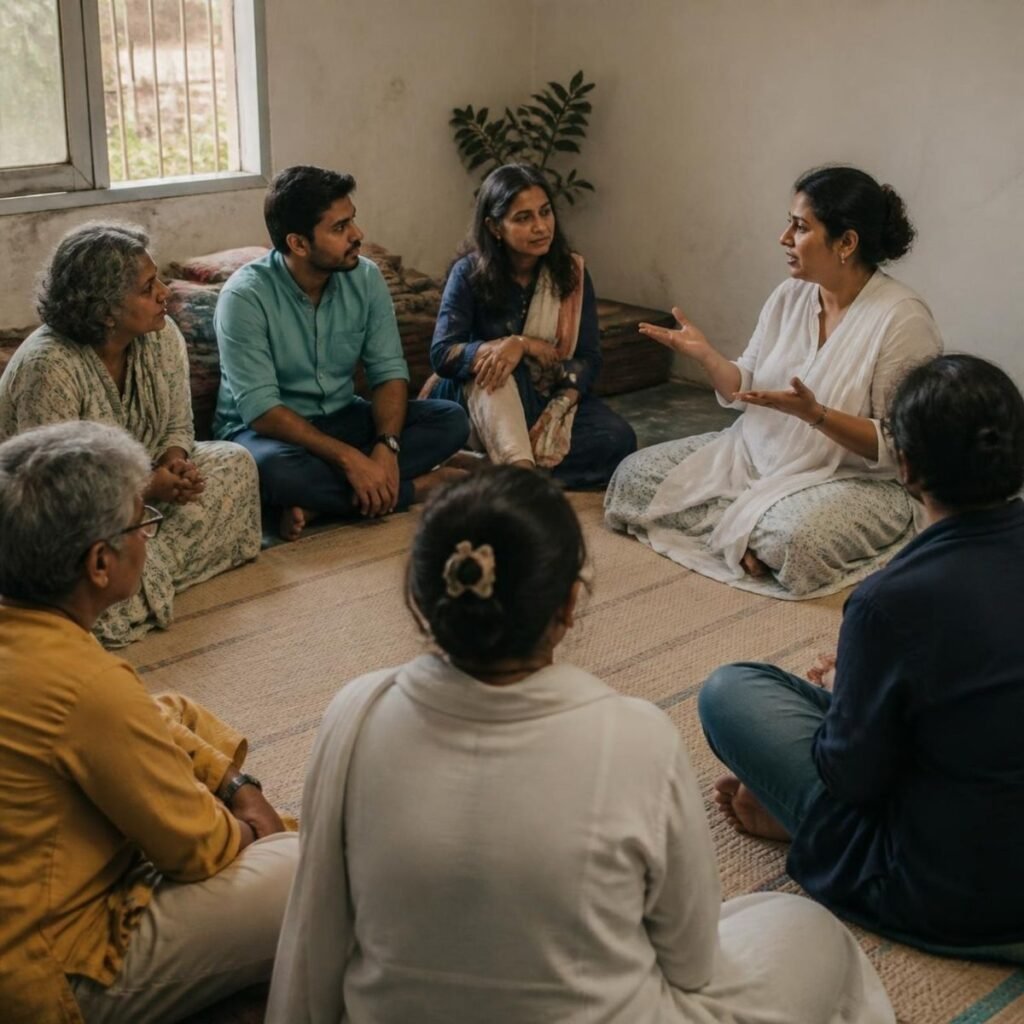
Creating safe and caring spaces in which these experiences can be expressed, heard and collectively interpreted.
Susrusha
Healing
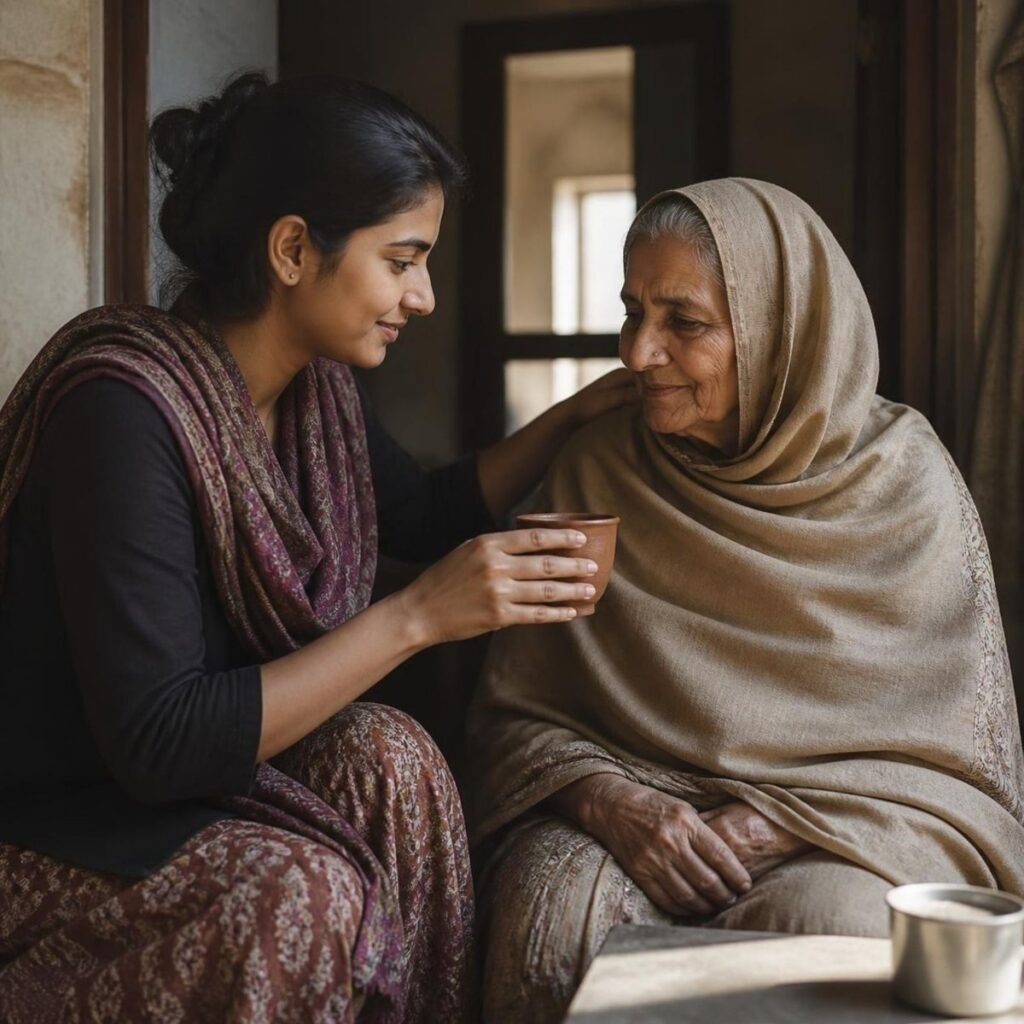
Responding to the wounds that may surface and restoring dignity, stability and self-belief.
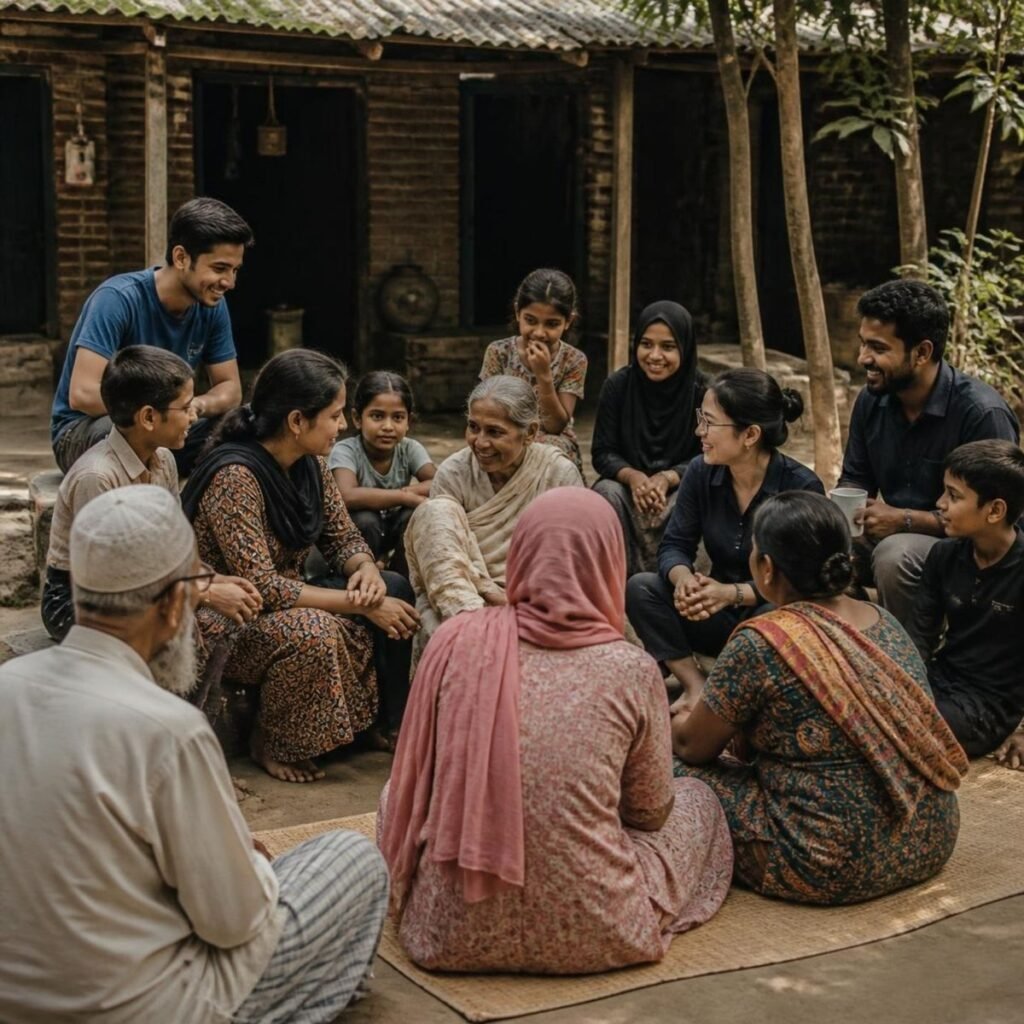
Sathi
Solidarity
Building relationships across identities and expanding the understanding of the individual and collective self.
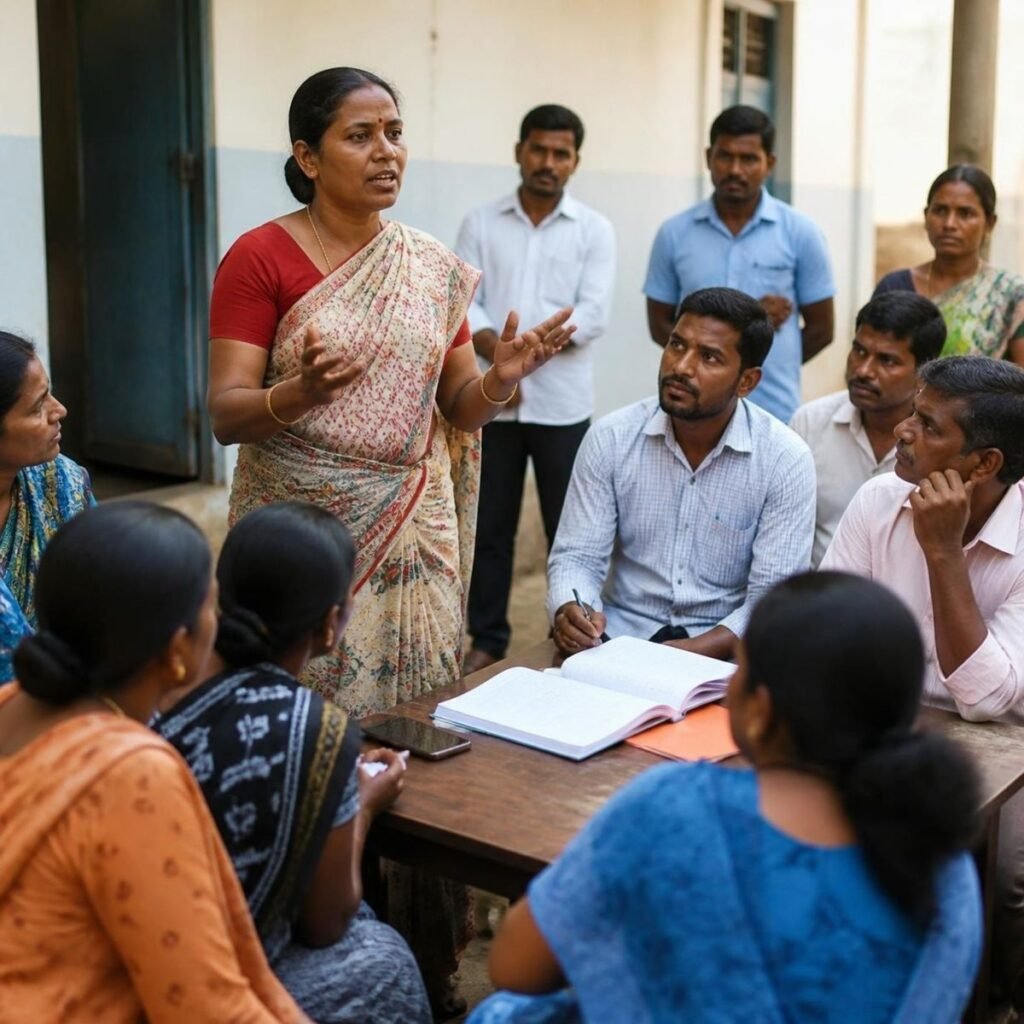
Samaj Nirman
Social Action
Translating memory, reflection, healing and solidarity into action for a more inclusive society.
These are interconnected movements, not a rigid or universally linear sequence.
03
Origin and grounding
Two decades of
field learning
Margin as Method emerged from two decades of field learning generated through Prantakatha’s engagement with different experiences of marginalisation.
This journey has included sustained work and relationships with:
- Survivors of trafficking
- People living with HIV
- Children and young people requiring protection
- Homeless communities
- Young citizens
- Queer and transgender people
- Youth across identities, geographies and social locations
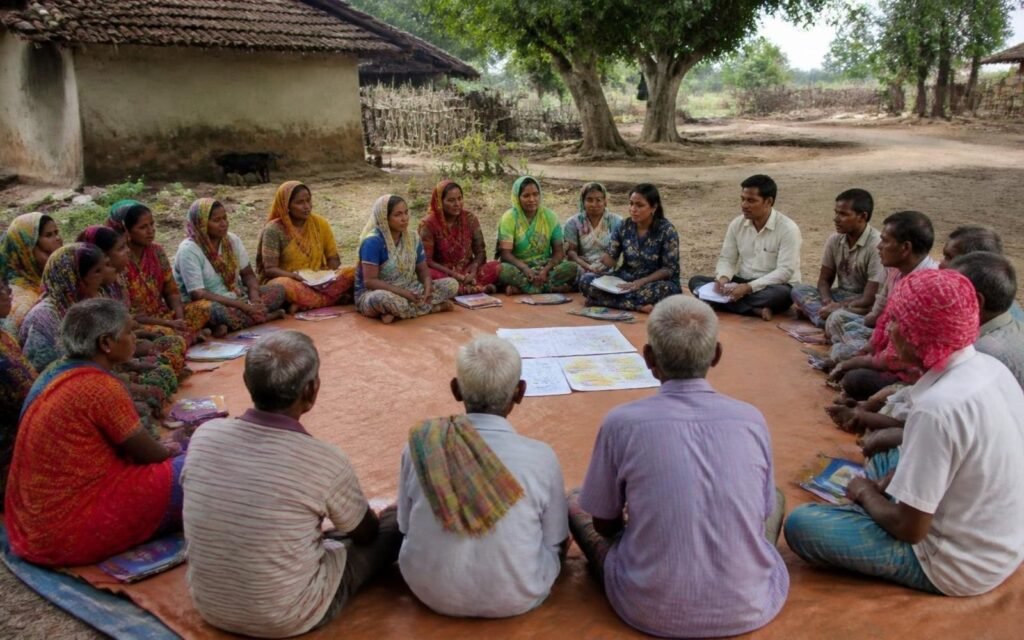
Across these contexts, a recurring methodological insight emerged: their lived realities already contain knowledge about survival, care, power, institutions, negotiation, resistance and community-building.
2024
Margin as Method was articulated to identify, organise, examine and share this accumulated field learning as an evolving pedagogical and practice framework.
What Prantakatha is
The twenty-year-old institution and field laboratory from which the learning behind Margin as Method has emerged.
What Margin as Method is not
Not a separate organisation, and not a collection of Prantakatha’s programmes. It is the evolving framework through which learning from different communities, interventions and historical periods is being organised, tested and shared.
The session recording, or a photograph from the day, will sit here.
Recent exchange
From Lived Realities to Leadership Abilities: The Margin as Method Approach
A short reflection from the session will sit here — two or three lines on what was shared, and what it opens up for the framework.
In partnership with Charcha and India Impact House
04
Purpose of the platform
A space for documentation, reflection, research, dialogue and collaboration
It will bring together community knowledge, case studies, practice reflections, facilitation resources and learning exchanges through which the framework can be examined, challenged, adapted and further developed.
Practice
Community stories and case studies showing how the five processes have been carried out in different contexts, in the words of the people who lived them.
Stories being gathered
Knowledge
Practice reflections, research and facilitation resources for anyone examining, teaching or adapting the framework.
Resources in preparation
Collaborate
Learning exchanges with practitioners, institutions and researchers who want to test the framework alongside us and contribute to how it develops.
Open to conversation
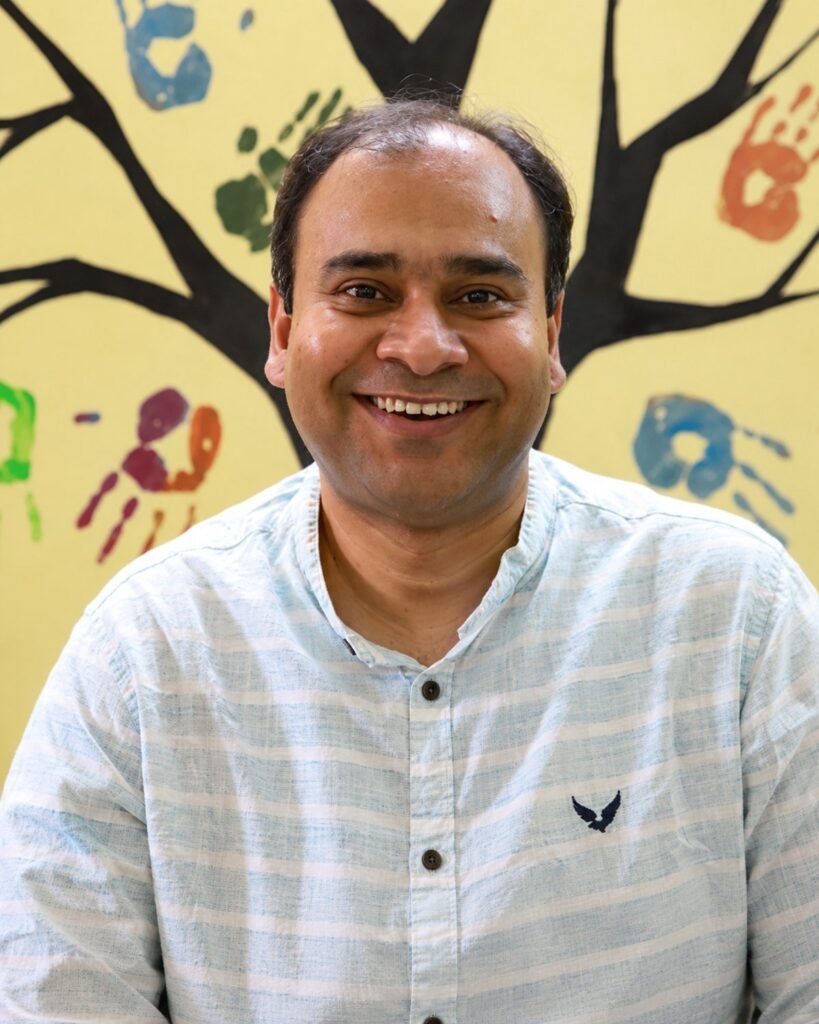
Bappaditya Mukherjee
Prantakatha
05
Authorship and acknowledgement
Conceptualised by
Bappaditya Mukherjee
Margin as Method was conceptualised and articulated by Bappaditya Mukherjee, drawing upon two decades of field practice within Prantakatha.
The framework also acknowledges the lived knowledge contributed by community members, youth leaders, survivors, colleagues, alumni, mentors and collaborators whose experiences have continuously shaped its evolution.